
Ripple Just Got a US National Trust Bank License. Here’s What It Means for RLUSD and XRP
Ripple has just crossed one of the biggest regulatory lines a crypto company can cross. The Office of the Comptroller of the Currency (OCC) has given final approval to Ripple National Trust Bank, or RNTB, which means the company can now operate a specialized bank under US federal supervision.
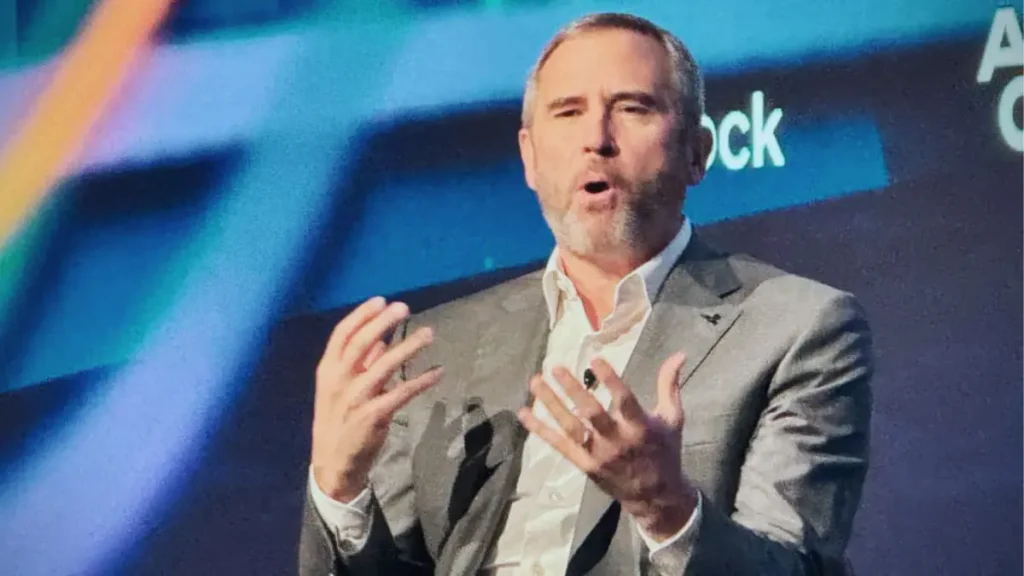
CEO Brad Garlinghouse announced the news on X late Monday, October 26, 2026.
For a company that spent years in regulatory limbo, this is a major turnaround. Ripple applied for the national trust charter in July 2025. The OCC granted conditional approval in December 2025, and this week’s decision removes the “conditional” label for good.
Garlinghouse framed it as proof of something he has argued for a long time. “For years, we’ve said crypto and banks work better together,” he said in the press release, adding that final approval is what that looks like in practice.
So what will the new bank actually do? Its first job is managing the reserves behind RLUSD, Ripple’s dollar-pegged stablecoin. Those reserves are the real money and assets that give the token its value. RNTB will also act as trustee for them.
The second job is custody. The bank will offer regulated custody services, meaning large companies can hold digital assets with a federally supervised institution while using crypto for payments, trading and treasury management. For corporate finance teams that have been nervous about holding crypto with unregulated firms, that matters.
One detail is easy to miss. RLUSD will still be issued by Ripple’s New York-regulated unit, Standard Custody & Trust Company. The new bank doesn’t replace that arrangement. It adds a federal layer on top of it, so RLUSD now has both state and federal regulators overseeing different parts of its setup.
RLUSD launched in December 2024 and has grown quickly since. Its market value is now around $2.5 billion, which places it among the world’s top 50 stablecoins. Ripple uses it in its payments business and as collateral on Ripple Prime.
The token is backed by US dollar deposits, US government securities and other cash-like assets. BNY holds most of those reserves.
Does this change anything for XRP? Not directly. XRP is still used to facilitate cross-border transactions, and it remains the fifth-largest digital asset by market value. The bank charter is tied to RLUSD and Ripple’s institutional products, not to the XRP token itself. At the time of writing, XRP was trading around $1.30, up roughly 1% on the day, while Bitcoin sat near $79,700 after a small dip.
The timing is notable. The US is now rolling out its stablecoin framework under the GENIUS Act, and Ripple says it will keep working with the OCC, New York regulators and other authorities as the bank begins operating. Having a federal charter in hand before those rules fully take shape puts the company in a strong position.
Ripple isn’t alone in this shift. Elsewhere in the news this week, the OCC called on community banks to enter the stablecoin payments market, and Canada opened a consultation on draft stablecoin rules. Regulators in several countries are clearly moving toward bringing stablecoins inside the formal financial system rather than keeping them outside it.
There are still open questions. Ripple hasn’t said exactly when RNTB will begin full operations, and how quickly institutions adopt its custody and payment products remains to be seen. A license opens the door, but it doesn’t guarantee customers will walk through it.
Still, the message is hard to miss. One of crypto’s largest companies now holds a banking-style license, and digital assets are being pulled further into the regulated traditional financial system. For investors, businesses and everyday crypto users, that is a development worth watching closely.